
Spinal stenosis occurs when the spaces within the spine narrow, placing pressure on the spinal cord and nerves. This condition often results in pain, numbness and weakness, which can significantly disrupt daily activities and reduce overall quality of life. While spinal stenosis is most found in the lower back (lumbar stenosis) or neck (cervical stenosis), it can also affect other regions of the spine. Dr. Larry Davidson, a leading specialist in spine health, highlights that a variety of effective treatments are available to help manage symptoms and improve mobility. From conservative options such as physical therapy and medication to minimally invasive surgical techniques, patients have access to a wide range of solutions designed to restore function and enhance quality of life.
Understanding Spinal Stenosis
In a healthy spine, the spaces within the vertebrae allow for free movement and protect the spinal cord and nerves. With spinal stenosis, these spaces may narrow, potentially compressing nerves and causing painful symptoms. This condition typically develops gradually and is often related to age-related changes in the spine, such as arthritis or degenerative disease. Other factors, such as genetics, injuries or abnormal growths, may also contribute to spinal stenosis. There are two main types of spinal stenosis.
The most common form is lumbar spinal stenosis, which occurs in the lower back and can cause pain, numbness or weakness in the legs. It may also make walking or standing for long periods challenging.
Cervical Spinal Stenosis occurs in the neck and may lead to pressure on the spinal cord, potentially resulting in serious symptoms. Symptoms can include pain, tingling or weakness in the arms, hands and legs, and in severe cases, issues with balance and bladder control.
Causes of Spinal Stenosis
The narrowing of the spinal canal often results from age-related changes in the spine. However, there are other possible causes:
- Degenerative Disc Disease and Arthritis: Over time, the cushioning discs between vertebrae can break down and joints may develop arthritis, both of which can contribute to spinal stenosis.
- Bone Spurs: The growth of extra bone due to arthritis can lead to bone spurs, which narrow the spinal canal and put pressure on nerves.
- Thickened Ligaments: Ligaments, which connect the bones in the spine, may thicken with age, taking up more space and compressing the nerves.
- Herniated Discs: When a disc bulges out of its normal position, it can press against the spinal cord or nerves, leading to symptoms of stenosis.
- Genetics or Congenital Factors: Some people are born with a narrow spinal canal or other structural abnormalities that increase their risk of developing spinal stenosis.
Treatment Options for Spinal Stenosis
Several treatment options are available for spinal stenosis, ranging from conservative therapies to surgical intervention. The right choice depends on the severity of symptoms, overall health and the extent of nerve compression. Here’s an overview of the available treatments:
1. Conservative Treatments
For mild to moderate cases, non-surgical treatments can often relieve symptoms and improve mobility.
Physical therapy focuses on strengthening the muscles that support the spine, improving flexibility and reducing pressure on nerves. Physical therapy may help patients manage pain and maintain mobility.
Medications: Over-the-counter pain relievers, such as NSAIDs (nonsteroidal anti-inflammatory drugs), may reduce inflammation and pain. In some cases, a doctor may prescribe muscle relaxants or corticosteroids for temporary relief.
Epidural Steroid Injections: Corticosteroid injections into the epidural space around the spinal cord can temporarily relieve inflammation and pain. While not a permanent solution, these injections can be effective in managing symptoms and reducing flare-ups.
Activity Modification and Rest: Avoiding activities that worsen symptoms, taking breaks and using supportive devices like back braces or canes can help manage discomfort.
2. Minimally Invasive Procedures
If conservative treatments aren’t effective, minimally invasive techniques are often the next step. These procedures offer targeted relief with smaller incisions, reduced tissue disruption and faster recovery times.
Decompression Procedures: In cases where spinal stenosis causes significant nerve compression, procedures like laminectomy and laminotomy are used to relieve pressure. During a laminectomy, the surgeon removes part of the vertebra (the lamina) to create more space. Minimally invasive techniques allow this to be done through small incisions, reducing postoperative pain and recovery time.
Endoscopic Spinal Surgery: Through a small incision, surgeons use a camera (endoscope) to access and remove the tissue compressing the nerve, such as bone spurs or parts of herniated discs. This approach allows for direct, precise decompression with minimal tissue damage.
3. Surgical Intervention
In cases where spinal stenosis causes significant disability or when conservative and minimally invasive methods are ineffective, surgical intervention may be necessary.
Spinal Fusion: For patients with instability or severe compression, spinal fusion may be recommended. This surgery stabilizes the affected vertebrae by fusing them, which helps alleviate pain but may limit mobility in that section of the spine.
Artificial Disc Replacement: In certain cases, an artificial disc may be used to replace a damaged disc, allowing the patient to retain more motion in the affected area. This procedure may be an alternative to fusion for certain patients with disc degeneration.
Decompressive Laminectomy (Traditional Surgery):For severe cases, a traditional laminectomy may be needed to remove a larger portion of bone or ligament that is compressing the nerves. While this surgery is effective, it typically involves a longer recovery time than minimally invasive options.
Recovery and Long-Term Management
Recovery from spinal stenosis treatment varies depending on the method used. Here’s a general outline of what to expect:
Physical Therapy and Rehabilitation: Regardless of the treatment, physical therapy is often recommended to help patients regain strength and flexibility. Rehabilitation focuses on posture improvement, core strengthening and spine stabilization.
Pain Management and Activity Modification: Patients may need to adjust activities and adopt techniques to help manage pain effectively, especially if they have undergone surgery.
Lifestyle Changes: Adopting a healthy lifestyle, including regular exercise, a balanced diet and avoiding smoking, can support spinal health and reduce the risk of recurring symptoms.
With the right treatment approach, most patients experience significant relief from symptoms. While some cases of spinal stenosis may progress, following a comprehensive care plan can help patients manage symptoms and maintain a high quality of life.
Finding Relief with the Right Treatment
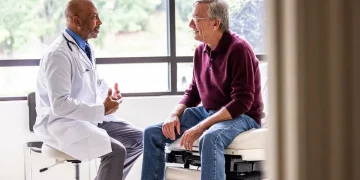
Spinal stenosis can significantly impact a patient’s mobility and comfort, but advancements in treatment options provide effective solutions for managing symptoms and restoring quality of life. From conservative treatments like physical therapy and medications to minimally invasive procedures and surgical options, there are multiple pathways to relief. Consulting with a knowledgeable spine specialist like Dr. Larry Davidson is essential for determining the best treatment approach based on the severity of the condition and the patient’s overall health.
With the right treatment approach, many patients may experience reduced pain, improved mobility and a better quality of life, helping them enjoy everyday activities without being held back by spinal stenosis.