
Chronic tendinopathy is a condition that affects millions of individuals worldwide, significantly impacting their mobility. This issue is particularly prevalent among active people and athletes who rely on their physical capabilities. As traditional treatments often fall short, many are seeking alternative solutions.
This guide delves into how shockwave technology offers a non-invasive option for those struggling with persistent musculoskeletal conditions. It examines the clinical evidence that supports this method as a primary treatment for patients who have not responded to conventional rest and rehabilitation strategies.
By understanding the healing mechanisms involved, individuals can appreciate how this advanced approach may facilitate recovery when other methods have failed. The insights provided here aim to empower patients to make informed decisions regarding their long-term musculoskeletal health.
Key Takeaways
- This guide highlights a non-invasive alternative to traditional surgical options.
- Clinical evidence supports the use of this method for persistent conditions.
- It offers a pathway to recovery when other treatments are ineffective.
- Understanding the biological healing mechanisms is crucial.
- Patients can make informed decisions about their health management.
Introduction to Shockwave Therapy and Chronic Tendinopathy
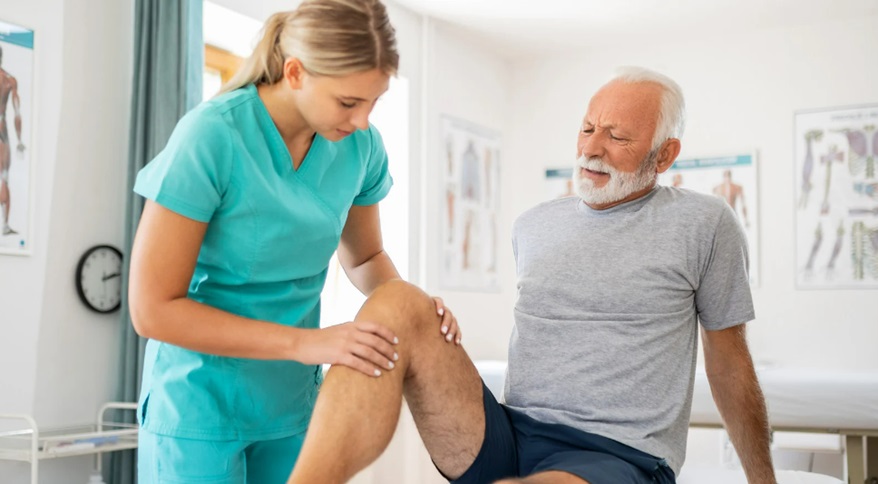
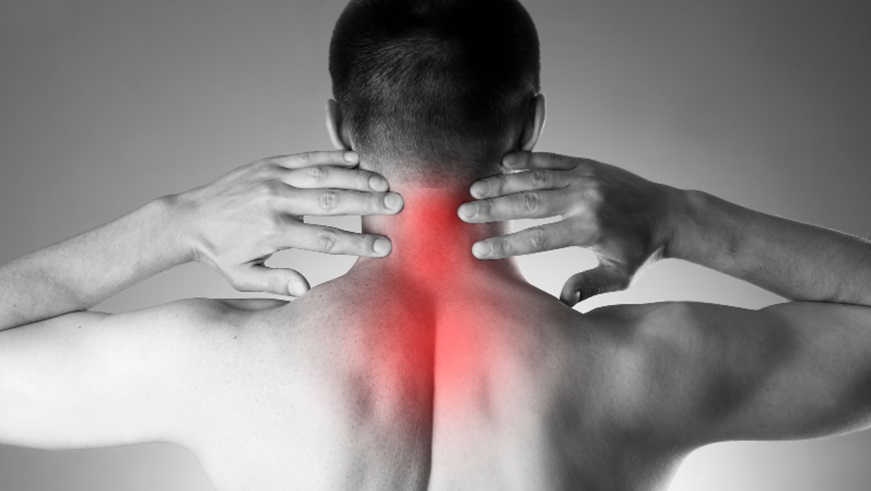
A significant number of people around the globe experience chronic tendinopathy, which can severely hinder their mobility. This condition occurs when tendons, the robust bands connecting muscle to bone, become damaged due to overuse or age-related factors.
Clinical guidelines indicate that a condition is deemed chronic if symptoms persist for at least 3-6 months, despite attempts at conservative management. Traditional treatments often include rest, physical therapy, and steroid injections. While these may provide temporary relief, they frequently fail to address the underlying issues.
The Physio Practice acknowledges that such conventional methods often do not promote long-term healing for those with persistent tendon issues. In these cases, exploring alternative treatment options, such as shockwave therapy, becomes essential to resolving the root pathology.
| Treatment Type | Duration | Effectiveness |
|---|---|---|
| Rest | Varies | Temporary |
| Physical Therapy | 4-6 weeks | Variable |
| Steroid Injections | 1-3 months | Short-term |
| Shockwave Therapy | 1-2 sessions | Long-term potential |
How Shockwave Therapy Works
Understanding how this innovative treatment operates is crucial. The portable ESWT machine employs compressed air to propel a projectile at speeds of up to 62 mph. This action generates powerful acoustic pressure waves upon impact with the applicator head.
These shockwaves can penetrate deep into the body, reaching tissues up to 6 cm below the surface. This depth exceeds the capabilities of traditional percussive methods.
By targeting the affected area with high-energy waves, the treatment initiates a biological process that attracts essential healing cells. This non-invasive approach converts mechanical energy into acoustic pressure, setting it apart from electrical stimulation or ultrasound techniques.
Ultimately, the process leverages the body’s natural healing abilities, encouraging recovery through precise, high-energy pulses.
The Physio Practice: Integrating Shockwave Therapy
Enduring tendon conditions are common and can significantly limit mobility in affected individuals. At The Physio Practice, clinicians are dedicated to providing tailored treatment plans that integrate shockwave therapy with comprehensive rehabilitation programmes.
To ensure optimal outcomes, a thorough assessment is conducted to confirm that the condition is suitable for this intervention. This meticulous process guarantees that each patient’s unique needs are met.
- Clinicians develop customised treatment approaches, ensuring the application of shockwave therapy aligns with individual patient requirements.
- By combining this option with other therapeutic modalities, the clinic provides a holistic approach to managing musculoskeletal conditions.
- The integration of this treatment into a structured care plan exemplifies the professional service offered at The Physio Practice.
Clinical Benefits of Shockwave Therapy for Chronic Tendon Injuries
Many individuals suffer from ongoing tendon issues that can greatly restrict their daily activities. This innovative treatment offers a range of clinical advantages that enhance recovery and improve overall quality of life.
Pain Reduction and Enhanced Mobility
The treatment is known to reduce pain effectively. By overstimulating nerves, it decreases sensitivity in the affected area. This reduction in discomfort allows patients to regain mobility and engage more freely in their daily routines.
Stimulated Healing and Tissue Regeneration
Moreover, the therapy promotes healing by enhancing blood flow and circulation. This increase facilitates the delivery of essential nutrients to the damaged tissues, aiding in their regeneration. The therapy also addresses chronic inflammation, enabling the body to complete its natural repair cycle.
Improved Blood Flow and Reduced Inflammation
Enhanced blood flow is vital for recovery, as it brings oxygen and growth factors to the injured site. Patients often report significant improvements in mobility, thanks to the therapy’s ability to reduce pain and promote healing.
Exploring shockwave therapy for chronic tendon injuries benefits
Persistent tendon issues can hinder the quality of life for many individuals. Research continues to highlight the effectiveness of this innovative treatment. A pivotal study published in the Journal of Orthopaedic Surgery and Research in 2018 showcased significant improvements in pain management and physical function.
Key findings from clinical studies indicate that:
- The treatment has shown considerable efficacy in alleviating pain levels.
- Patients reported enhancements in overall physical function after undergoing treatment.
- It is particularly beneficial for those who have not found relief through traditional methods.
- Reviewing these studies helps clinicians understand how the therapy supports long-term recovery.
- The growing evidence base reinforces the use of this technology in modern orthopaedic and physiotherapy practices.
Patient Experience and What to Expect During a Session
Individuals often find themselves facing mobility challenges due to persistent tendon conditions. Understanding what to expect during a session can help alleviate any concerns.
At The Physio Practice UK, the process begins with the application of a water-based gel to the skin. This preparation ensures the delivery of 2,000 pulses during the treatment.
Preparation and Procedure Overview
The procedure typically lasts about 15 minutes. Throughout this time, the therapist adjusts the intensity to align with the patient’s pain tolerance. This personalised approach enhances comfort and effectiveness.
Insights from The Physio Practice UK
Patients are advised to avoid strenuous activities for 48 hours post-treatment. This precaution allows the natural repair process to take place effectively.
Post-Treatment Care and Recovery
Some soreness in the treated area is common, but most individuals can resume normal daily activities immediately. Recovery is further supported by tailored advice from the therapist, ensuring that patients manage their load appropriately between sessions.
Potential Side Effects and Safety Considerations
Mobility can be severely affected by ongoing tendon conditions that many individuals encounter. Understanding the potential side effects of the treatment is crucial for patients considering this option.
While generally safe, some side effects may occur. These can include:
- Temporary bruising
- Local swelling
- Skin reddening
- Altered sensation in the tissue
Clinical data indicates that between five and seven out of ten patients find the procedure effective, despite the risk of minor side effects. It is important for patients to understand that these effects are usually short-lived and resolve within a week of the treatment.
The safety profile of the therapy is well-documented. However, it is not suitable for patients with certain conditions, such as active tumours or during pregnancy. Clinicians monitor patients closely to ensure that the tissue repair process is not interrupted by any adverse reactions during the course of treatment.
| Side Effect | Duration | Frequency |
|---|---|---|
| Bruising | 1-3 days | Common |
| Swelling | 1-2 days | Common |
| Skin Redness | 1-3 days | Occasional |
| Altered Sensation | Up to 1 week | Rare |
Incorporating ESWT in a Comprehensive Treatment Plan
Many people experience ongoing issues with their tendons, which can greatly impact their daily lives. To achieve lasting relief, it is essential to integrate ESWT with a thorough rehabilitation programme.
At The Physio Practice, clinicians believe that this innovative treatment is most effective when combined with various rehabilitation strategies tailored to individual needs. This approach not only targets the symptoms but also addresses the underlying causes of tendon conditions.
Combining with Rehabilitation Strategies
Integrating specific exercises alongside ESWT can help strengthen the affected area. This combination is crucial in preventing the recurrence of symptoms in tendons.
Individualised Care and Long-Term Management
Long-term management requires personalised care. The therapist at The Physio Practice UK will adjust treatment plans based on each patient’s progress, ensuring optimal outcomes.
- Patients often need a series of treatments over several weeks to achieve significant relief from conditions like Achilles tendinopathy or tennis elbow.
- By incorporating this therapy into a broader plan, patients can avoid surgery and return to their normal activities more swiftly.
Conclusion
Numerous individuals struggle with long-term tendon issues, which can greatly influence their quality of life. This innovative treatment represents a significant advancement in managing these conditions, offering a non-invasive path to pain relief.
By stimulating the body’s natural healing response, patients can overcome persistent issues that have resisted other treatments. The evidence-based advantages of this approach make it a preferred option for those looking to avoid surgery and restore tendon function.
It is essential for patients to consult with qualified professionals to determine if this treatment is suitable for their specific needs. With a commitment to individualised care, this option provides a reliable solution for long-term relief and improved quality of life.