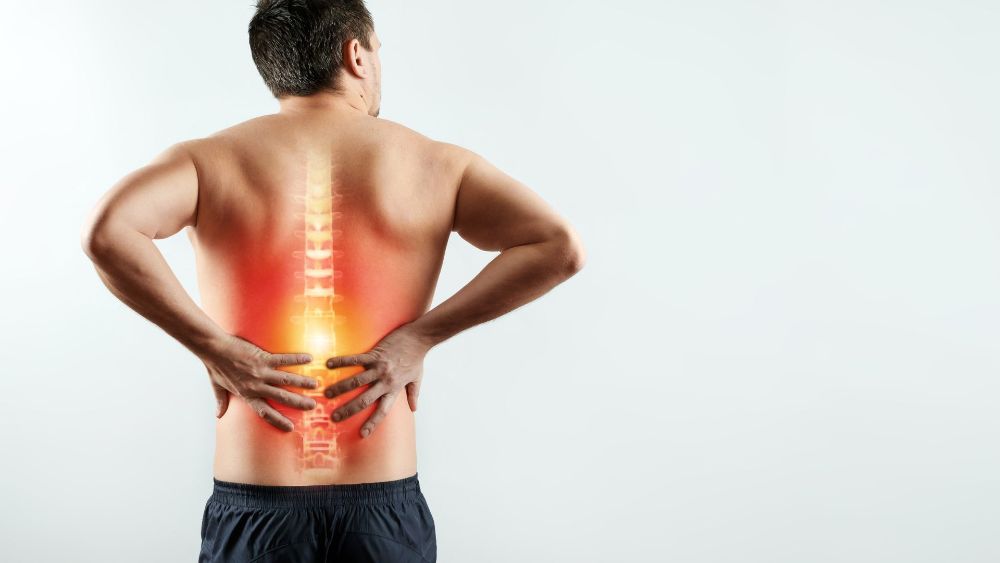

That persistent ache in your back. You’ve tried different chairs, maybe a new mattress, but the pain just won’t go away. It might be more than just a sign of a long day.
Many people live with back pain and don’t think much of it. They assume it’s just part of getting older or a consequence of a busy life. Sometimes, though, the pain comes from something specific: a condition called scoliosis.
But what is it? And how can you tell if your pain is related to it?
Let’s talk about it simply and clearly. We’ll look at what scoliosis is, how it might be causing your pain, and what you can do about it.
What is Scoliosis?
To start, it helps to understand the term. Skoliosis is the medical word for an abnormal sideways curve in the spine. Your spine runs straight down the middle of your back. You might see it described as looking like a “C” or an “S” instead of a straight line.
It’s not just a bad posture. It’s a structural change to the bones in your back.
Scoliosis can start in childhood or adolescence. This is called idiopathic scoliosis because the cause is unknown. It can also develop later in life, often in older adults. This is degenerative scoliosis, caused by wear and tear on the spine as we age.
When the Curve Causes Pain
Here’s the important part: not everyone with scoliosis has pain. In fact, many people with a mild curve have no symptoms at all. It might be discovered by chance during a routine exam or an X-ray for something else.
But for others, the altered shape of the spine can lead to chronic back pain.
How does that happen? It’s about balance and pressure. When your spine curves to the side, your muscles have to work harder. One side of your back might be overstretched while the other side is overly compressed. This imbalance can cause muscle fatigue, aches, and stiffness. Over time, this stress can become a constant source of pain.
Key Signs to Look For
So, how can you tell if your back pain might be linked to scoliosis? Here are some specific things to watch out for.
The pain from scoliosis has a pattern. It tends to be felt more on one side of the body, not right in the center of your back. This is called asymmetrical pain, and it is a key indicator.
You might notice the pain is strongest in one specific spot, often near the apex of the curve. The “apex” is the outer part of the curve, where the spine bends the most. For example, if your spine curves to the right, you may have the most pain on the right side of your back.
Beyond the Back: Leg Pain and Other Symptoms
Scoliosis pain doesn’t always stay in the back. The curves and twists of the spine can put pressure on the nerves that travel down your legs.
This can lead to radiating pain, numbness, or tingling that you feel in one of your legs. One of the more specific signs is a type of leg pain that affects the front of the thigh, known as cruralgia. This is different from sciatica, which is more common in people without scoliosis and usually affects the back of the leg.
Other physical signs to look for aren’t about pain, but about how you look. These are often clues that the spine is out of alignment.
You might notice that one of your shoulders is higher than the other. Your waist or hips might also look uneven. Some people find that their clothes don’t hang right or that one of their ribs seems more prominent on one side.
It’s a useful test. Bend forward as if you were touching your toes. If you have a spinal curve, one side of your ribs or lower back may appear higher than the other.
What Makes the Pain Worse?
Pain from scoliosis often has a relationship with your posture. It may feel worse after standing or sitting for a long time. Conversely, lying down can often bring relief.
This is a notable difference from other types of back pain. People with a typical “bad back” might find it hard to sleep, but for those with scoliosis, the pain often gets better with rest.
Should You See a Doctor?
If you have chronic back pain that is one-sided, feels worse after sitting or standing for a while, or is accompanied by any unevenness in your shoulders or hips, it’s a good reason to see a doctor.
Don’t just brush it off.
Your GP can examine you. They might ask you to do the forward-bend test. If they suspect scoliosis, they will likely order an X-ray. The X-ray is important because it gives a clear picture of your spine and allows the doctor to measure the exact angle of the curve. This measurement, called the Cobb angle, helps determine the severity of the condition.
How is it Managed?
Finding out you have scoliosis isn’t a sentence to a life of pain. Many people manage it well.
Treatment isn’t always needed, especially if the curve is mild and you have little or no pain. If pain is the main problem, treatment is usually aimed at relieving it.
Pain Relief: Over-the-counter painkillers like ibuprofen are often the first recommendation. If those don’t work, your doctor may prescribe stronger options.
Exercise and Movement: Staying active is very important. Gentle exercise helps strengthen your back and maintain a healthy weight, which reduces strain. Physiotherapy can also be beneficial. A physiotherapist can teach you exercises to help manage the pain, even if they don’t improve the curve itself.
Injections: In some cases, your doctor might suggest steroid injections to reduce nerve irritation or inflammation.
Surgery: This is only for severe cases. Surgery is generally a last resort, considered only if the curve is severe, getting worse, or causing significant nerve problems that don’t respond to other treatments.
The Takeaway
It’s easy to dismiss back pain as a normal part of life. But if your pain is persistent, on one side, and gets worse with sitting or standing, think about the possibility of scoliosis.
Pay attention to the signs. Look for that unevenness in your shoulders or hips.
Getting it checked out can give you clarity. A proper diagnosis means you can figure out the best way to manage your pain and keep your back as healthy as it can be. Don’t just live with the ache. Figure out what is causing it