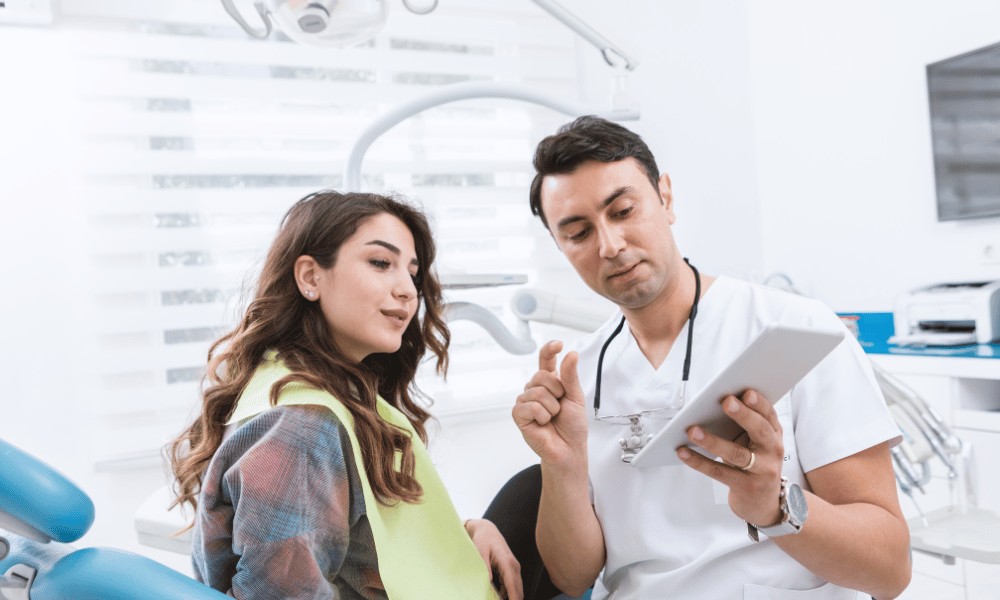

Many people want to fix their crooked smiles while also repairing damaged enamel. You might wonder which step should come first. Dentists generally recommend shifting your bite into its proper position before addressing chips or structural damage.
Fixing your bite first ensures that any future dental work fits perfectly and lasts longer.
Gentle Alignment for a Better Smile
Moving your teeth into the correct position requires careful planning and a gentle touch. Crooked teeth often create uneven pressure points whenever you chew your food. This unequal distribution of force is a major reason why enamel cracks or weakens over time.
Correcting the alignment redistributes your bite force evenly across your entire mouth. A straight smile prevents specific teeth from bearing too much weight during daily activities. When your bite is perfectly balanced, you reduce the risk of future fractures.
Moving teeth gradually ensures the roots remain healthy and stable. Your dentist will evaluate your jaw structure to ensure the movement happens at a safe and effective pace.
Straighten With Invisalign Aligners
Modern orthodontics offer incredibly discreet ways to shift your bite. Instead of dealing with metal brackets and wires, many adults prefer clear plastic trays. Your dentist might suggest using invisalign aligners to gently guide your teeth into their ideal positions over a few months.
These custom-made trays apply consistent pressure without causing excessive discomfort or irritation to your gums. Since these trays are removable, you can maintain excellent oral hygiene throughout the process.
Keeping your enamel clean is vital when you already have weakened areas that need future repair. You simply take the trays out to brush and floss normally.
Restore Weakened Teeth
Once your teeth reach their final positions, the focus shifts to repairing the structural damage. Weak enamel leaves your teeth vulnerable to decay and temperature sensitivity. Your dentist will carefully examine each tooth to determine the extent of the damage.
They will then clean away any compromised material to create a clean surface for the repairs. The goal here is to rebuild the structure so it functions just like a healthy tooth. Materials used today blend flawlessly with your natural enamel, meaning no one will notice the dental work.
Protect the Foundation with Crowns
Sometimes a tooth has lost too much of its original structure to rely on simple fillings. When a tooth is severely weakened, it needs comprehensive protection to withstand the forces of chewing. Placing custom crowns over the damaged teeth provides a strong and durable helmet that absorbs daily impact.
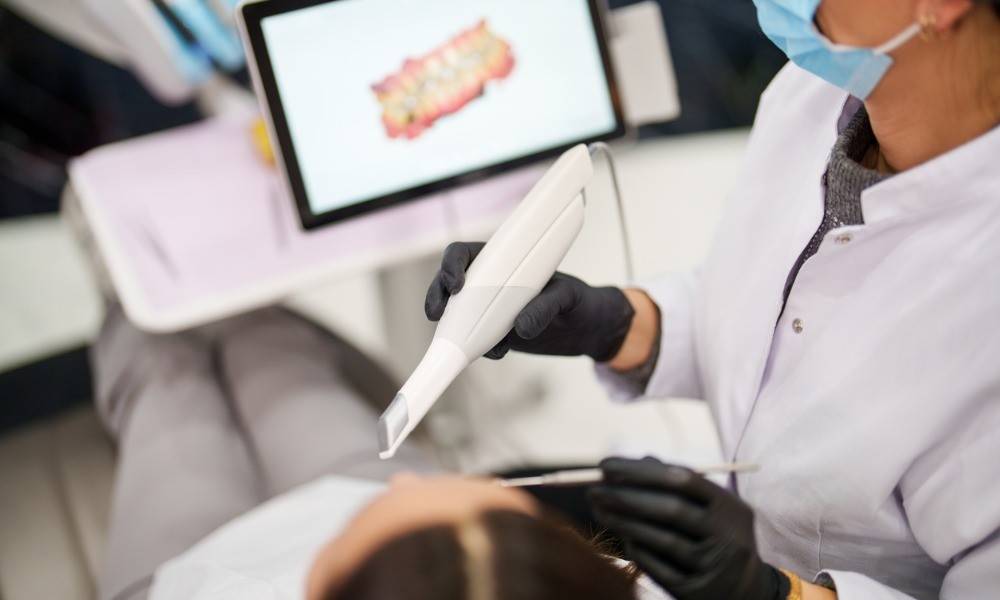
These caps cover the entire visible portion of the tooth right down to the gum line. Getting a cap usually involves taking precise impressions of your newly straightened smile. The laboratory crafts the piece to match the exact color and shape of your surrounding teeth.
Once permanently cemented into place, the restored tooth will feel incredibly solid.
Fixing Cracked Enamel
Small cracks or chips might not require full coverage, but they still need immediate attention. Hairline fractures can slowly expand if left untreated, eventually splitting the tooth entirely. Dentists use strong composite resins to fill these tiny crevices and bond the enamel back together.
The resin hardens under a special light, creating a tight seal against harmful bacteria. Repairing these minor imperfections also drastically improves the overall appearance of your smile. The composite material is polished to a high shine, mimicking the light-reflecting properties of real enamel.
You will notice that cold or hot beverages no longer cause sudden twinges of sensitivity.