
Key Takeaways
- PDLLA Skin Booster and HA skin booster treatments can be used on multiple facial areas depending on individual skin concerns.
- Different parts of the face may require different treatment approaches due to variations in skin thickness and movement.
- Treatment plans are typically based on concerns such as hydration, skin texture, elasticity, and fine lines.
- A clinical assessment helps determine which facial areas may benefit from one treatment, the other, or a combination of both.
Introduction
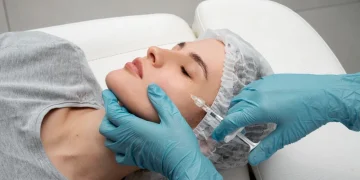
Both PDLLA Skin Booster and HA (Hyaluronic Acid) skin booster treatments are used to address skin quality rather than facial volume. Instead of changing facial contours, these treatments target concerns such as dehydration, uneven texture, fine lines, and reduced skin elasticity. Different parts of the face experience ageing differently, so treatment plans are often customised according to the condition of each area. Understanding which regions can be treated helps individuals have realistic expectations and discuss suitable options with a qualified medical practitioner.
Cheeks
The cheeks are among the most commonly treated areas because they cover a large surface where early signs of ageing often become visible. Reduced skin elasticity, uneven texture, enlarged pores, and dehydration may all appear in this region. A PDLLA Skin Booster may be considered when collagen stimulation is one of the treatment goals, while an HA skin booster is commonly selected to improve skin hydration. Depending on the individual’s skin condition, practitioners may recommend one option or develop a treatment plan that addresses multiple concerns over time. The approach is influenced by skin thickness, existing collagen support, and the patient’s aesthetic objectives.
Under-Eye Area
The under-eye region presents unique challenges because the skin is thinner and more delicate than in most other parts of the face. Fine lines, mild creasing, dryness, and changes in skin quality may become noticeable with age. Not every injectable treatment is appropriate for this area, so careful patient assessment is necessary before proceeding. A practitioner evaluates skin thickness, degree of laxity, and anatomical considerations before determining whether an HA skin booster or PDLLA Skin Booster is appropriate. Conservative treatment techniques are generally preferred to reduce the likelihood of unwanted effects while maintaining natural-looking skin quality improvements.
Forehead
The forehead is another area where repetitive facial movement contributes to visible skin changes over time. Horizontal lines, uneven skin texture, and dehydration may become more apparent as collagen production declines. Skin boosters are sometimes incorporated into broader treatment plans that focus on improving overall skin quality rather than reducing muscle movement. The selected product depends on treatment objectives, skin characteristics, and the extent of the concerns being addressed. Patients should understand that improvements typically develop gradually and may require multiple sessions depending on the clinical assessment.
Around the Mouth and Chin
The skin surrounding the mouth is exposed to constant movement from speaking, eating, and facial expressions. This repetitive activity can contribute to fine lines, rough texture, and reduced skin hydration. The chin may also develop textural irregularities or appear less smooth over time. Both PDLLA Skin Booster and HA skin booster treatments may be considered for these regions when improving skin quality is the primary objective. Practitioners carefully evaluate injection depth, product selection, and treatment spacing to suit the anatomy of these highly mobile facial areas while aiming to maintain balanced and natural results.
Nose and Temples
Although less commonly discussed, the nose and temples may also be included in selected skin booster treatment plans when the concern relates to skin quality rather than structural reshaping. These areas require advanced anatomical knowledge because of their complex blood vessel networks and thinner soft tissue coverage in certain locations. Patient selection is particularly important, and not everyone is a suitable candidate for treatment in these regions. Any decision to include these areas is based on a detailed consultation, medical history, and facial examination rather than a standard treatment protocol.
Factors That Influence Treatment Areas
The areas selected for treatment are influenced by more than the patient’s preferred location. Skin thickness, age-related changes, previous aesthetic procedures, lifestyle factors, sun exposure, and overall skin health all contribute to treatment planning. Some individuals experience widespread dehydration across the face, while others have concerns limited to specific regions. A practitioner also considers whether collagen support, hydration, or both are the primary objectives before recommending either a PDLLA Skin Booster, an HA skin booster, or a staged combination approach. Individual assessment remains essential because facial anatomy and ageing patterns vary from person to person.
Conclusion
Both PDLLA Skin Booster and HA skin booster treatments can be used across several facial areas, including the cheeks, under-eye region, forehead, mouth, chin, and selected cases involving the nose or temples. The most appropriate treatment areas depend on individual anatomy, skin condition, and treatment goals rather than a one-size-fits-all approach. A thorough consultation allows practitioners to identify suitable treatment locations while considering safety, expected outcomes, and the overall condition of the skin.
Partner with Halley Medical Aesthetics to refresh your skin with a tailored skin booster plan.